Choosing between a heat pump vs furnace (with central AC) isn’t just about the latest tech—it’s about the right fit for your climate, home, and budget. This guide compares how each system works, the real trade-offs, and a simple decision framework so you always make a confident, cost-smart choice.
How they work (60-second refresher)
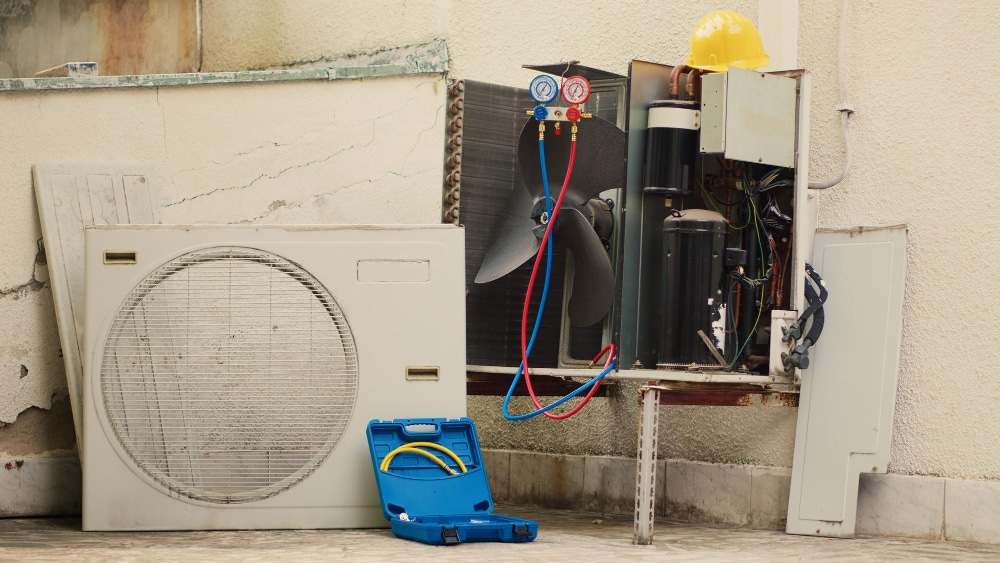
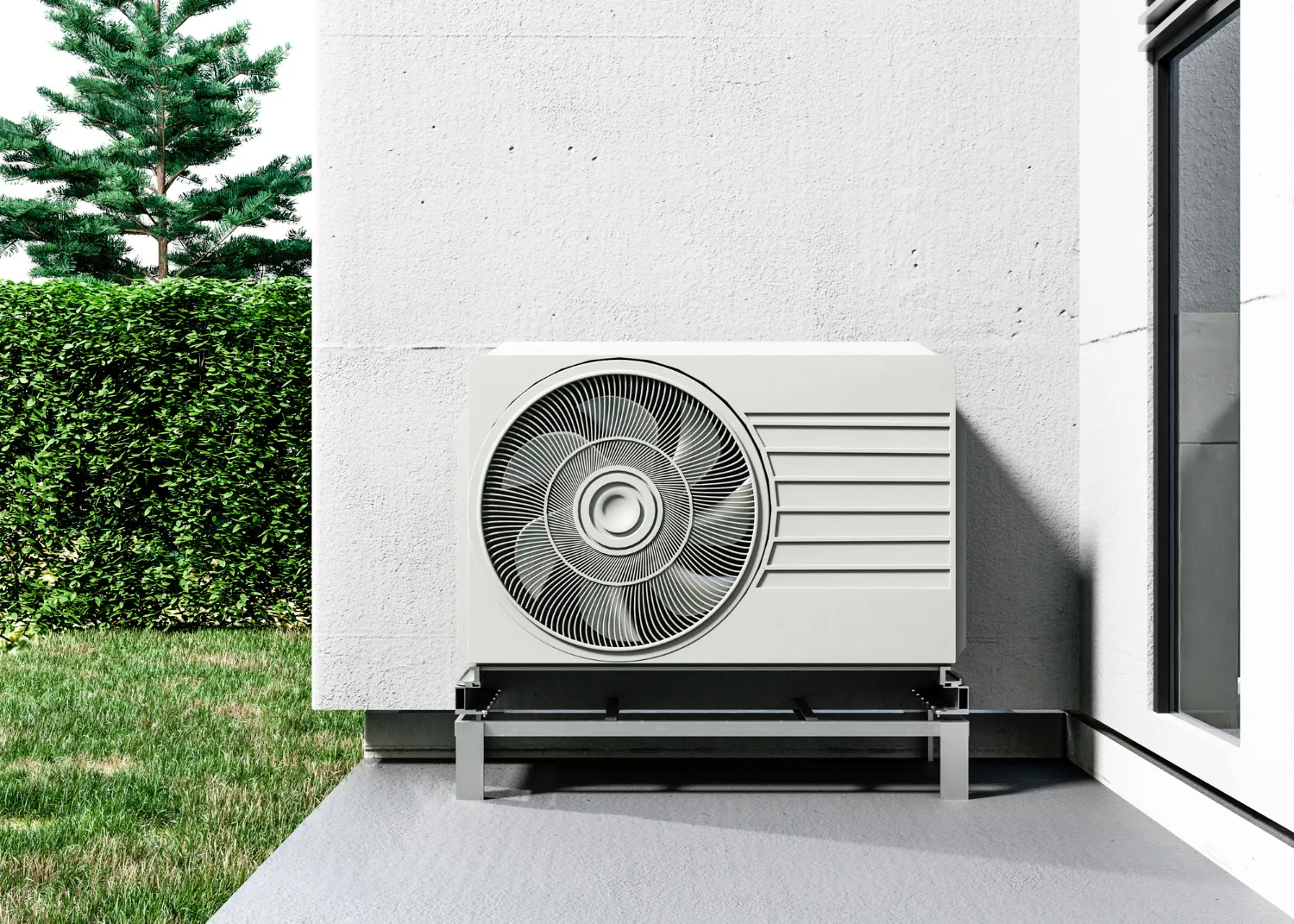
- Heat pump: One system for heating and cooling. In summer, it moves heat out of the home; in winter, it pulls heat from outdoor air and moves it inside. Modern cold climate heat pumps can heat efficiently well below freezing.
- Traditional system (furnace + AC): A gas/propane furnace provides heat; a separate air conditioner removes heat in summer.
Heat pump vs furnace: quick pros & cons
Heat pump — Pros
- One system, year-round comfort
- High efficiency; excellent humidity control
- Pairs well with solar/time-of-use electric rates
Heat pump — Cons
- Upfront cost can be higher in some markets
- Very low temps may require backup/dual-fuel support
- Electrical panel capacity may need review
Furnace + AC — Pros
- Lower initial cost in many homes already set up for gas
- Hot supply air “feel” in winter
- Simple swap-in when replacing like-for-like
Furnace + AC — Cons
- Two systems to maintain
- Lower heating efficiency than a modern heat pump
- Duct losses or hot/cold rooms if ducts aren’t sealed/balanced
Your decision framework (rank these factors for your home)
- Climate: Moderate winters? A heat pump often wins on annual efficiency. Sub-freezing stretches? Consider a dual fuel heat pump (heat pump with a gas furnace that takes over in deep cold).
- Insulation & ducts: Air sealing, attic insulation, and duct sealing/repair cut load and improve comfort—no matter which system you choose.
- Fuel & electricity costs: Compare $/therm vs $/kWh and your rate plan. Heat pumps shine where electricity is affordable or paired with solar.
- Existing infrastructure: Homes with gas lines and flues may lean furnace; all-electric or no gas service may lean heat pump.
- Comfort needs: Persistent hot/cold rooms? Ductless heads or zoning with a heat pump vs AC upgrade can solve distribution issues.
- Budget & rebates: Include install + long-term operating costs. Maintenance plans help either system stay efficient.
Real-world fit: three common scenarios
- Average, well-insulated home in a moderate climate: A ducted cold climate heat pump offers quiet comfort, strong dehumidification, and low operating cost.
- Older home with no ducts / hot-cold rooms: Ductless mini-split heat pumps add room-by-room zoning and fast installation; mix indoor heads as needed.
- Cold winters + access to low-cost gas: A dual fuel heat pump uses the heat pump until temps drop, then the furnace takes over for efficient, reliable heat.
Costs to consider (beyond equipment)
- Duct & airflow work: Sealing/repair and balancing reduce noise, even out rooms, and protect efficiency. See air duct repair.
- Electrical readiness: Some heat pumps need new circuits or panel upgrades; check capacity early.
- Commissioning quality: Airflow (static pressure), refrigerant charge, and control setup impact bills more than nameplate ratings.
Heat pump vs furnace: maintenance & lifespan
- Maintenance cadence: Heat pumps typically get one detailed visit per year; furnaces + AC often benefit from seasonal checks.
- What matters most: Clean coils, correct charge, verified airflow, safe combustion (for furnaces), and clear condensate drains.
- Plans pay back: Proactive service catches issues before they become comfort problems or repairs. Start with furnace maintenance or ask about heating services.
Bottom line
If you want one system for year-round comfort and strong humidity control, a heat pump—especially a cold climate heat pump—is compelling. If ultra-low temps and low-cost gas dominate your winters, a right-sized, well-commissioned furnace plus AC remains a solid choice. Either path benefits from tight ducts, insulation upgrades, and quality commissioning.
Norse Home Solutions: options without the guesswork (Woodbury, MN)
We design and install both systems—so the recommendation is driven by your home, not a pre-selected box. Compare heat pump vs traditional HVAC with transparent diagnostics, load calculations, and documented commissioning. When you’re ready:
- Heating services (heat pumps & furnaces)
- Furnace installation (right-sized & commissioned)
- Heat pump maintenance (charge, coils, performance)
- Cooling services (ducted & ductless)
- Contact Norse Home Solutions for a friendly, data-driven estimate
Selecting the right approach for your facility is a strategic decision—always. Turn to Norse Mechanical for commercial HVAC, plumbing, and drain services in Woodbury and neighboring Minnesota communities, ensuring efficient, reliable building performance year-round.