Minnesota winter home checklist for homeowners: here are 7 things to do before the first freeze—always. When hard freezes hit around Minneapolis–Saint Paul, small oversights can turn into big bills—burst pipes, dead furnaces, and flooded basements. Use this seven-step plan to winter-proof your home before temperatures plunge. Save time, money, and stress with simple, proven steps Minnesotans can implement this weekend easily.
Minnesota Winter Home Checklist: What to Do First
1) Seal the Envelope (Doors, Windows & Ducts)
Stop heat loss at the source. Add weather-stripping to exterior doors, caulk window gaps, and close fireplace dampers when not in use. If you have forced air, have supply/return ducts checked and sealed; insulate runs in attics or crawl spaces to reduce losses and even out room temps. For airflow and AC support, see our cooling services.
2) Set a Smart Thermostat Strategy
Program gentle setbacks overnight and pre-warm before you wake. Enable geofencing so heat rises as you arrive home. For heat pumps & heating systems, keep changes gradual to avoid auxiliary heat spikes. Aim for indoor humidity around 40–50% to prevent window condensation and dry-air discomfort.
3) Protect Pipes from Freezing
Insulate exposed plumbing in garages, crawl spaces, and exterior walls (foam sleeves work). Detach garden hoses, shut off and drain hose bibs, and cover outdoor faucets. On the coldest nights, open sink cabinets on exterior walls and let faucets drip slowly to keep water moving. Confirm your main water shutoff works. Need a once-over? Book a plumbing inspection.
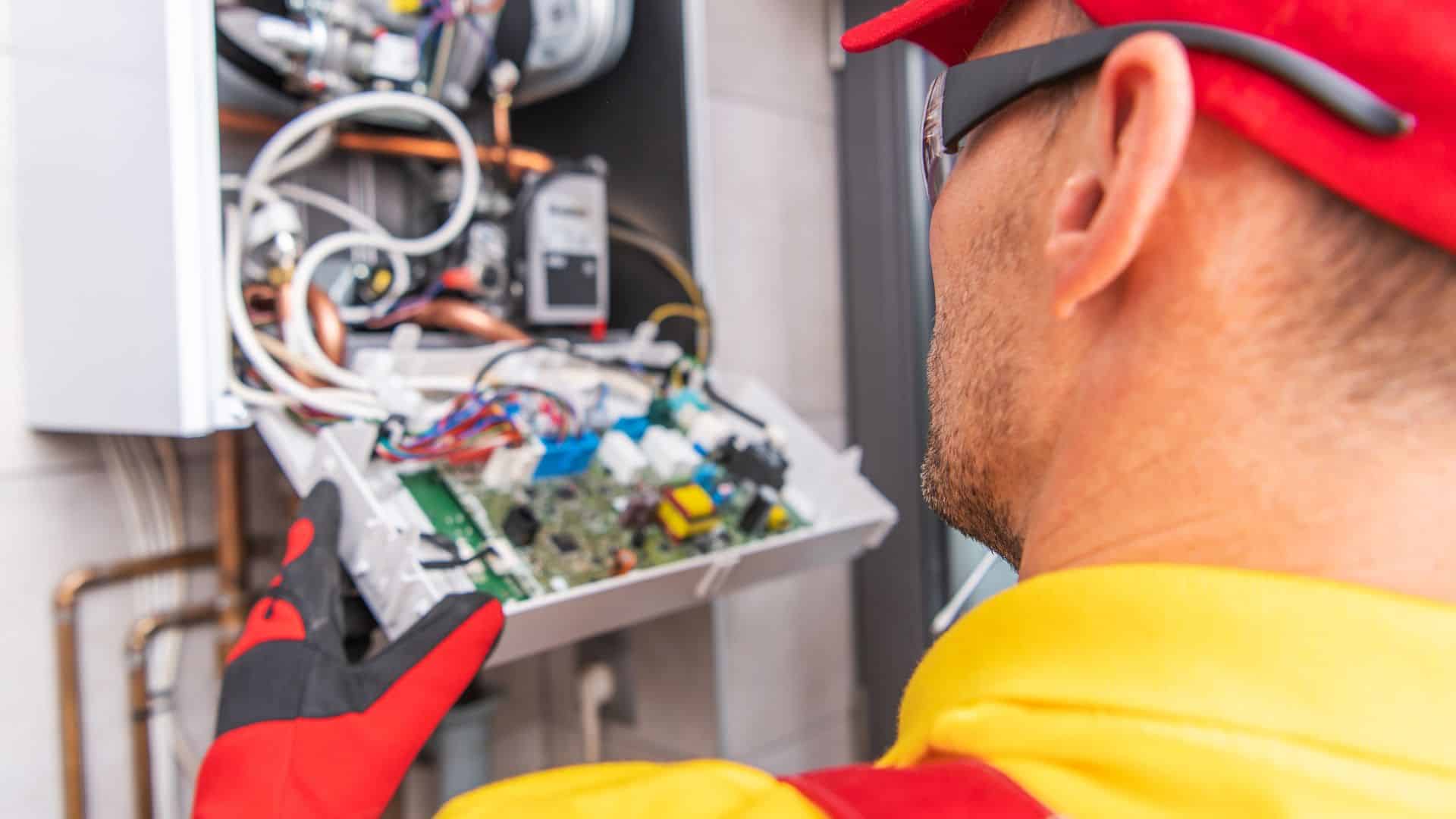
4) Book a Pre-Season Furnace (or Boiler) Tune-Up
Avoid no-heat emergencies by scheduling furnace maintenance now. A proper tune-up verifies ignition and burner performance, checks heat-exchanger integrity, measures static pressure/airflow, cleans the flame sensor, confirms safe venting, and installs a fresh MERV-appropriate filter. Thinking ahead? Explore furnace installation.
5) Test Safety Devices (CO & Smoke Alarms)
Colder months mean closed windows and more fuel burning. Press the test buttons, replace batteries, and check manufacture dates (replace expired units). Place CO detectors near bedrooms and on each level—critical if you have a gas furnace, boiler, fireplace, or attached garage. For safety-first service, start at our heating services overview.
6) Defend the Basement (Sump Pump & Drainage)
Winter rains and thaws can overwhelm foundations. Test the sump pump by pouring water into the pit—the float should rise and trigger the pump. Consider a battery backup. Outside, clean gutters, extend downspouts away from the foundation, and clear window wells. Inside, clear the condensate line to prevent mid-winter leaks. Need help? See drain services or plumbing services.
7) Stock a Local “No-Heat Kit”
Power flickers and after-hours failures happen. Keep spare filters, a flashlight, fresh batteries, pipe insulation, towels, and contacts for 24/7 HVAC & plumbing help. Note the locations of your breaker panel, gas shutoff, and water main. When you need us, contact Norse Home Solutions.
Minnesota winter home checklist—quick reference (Save / Share)
- Seal doors/windows; seal/insulate ducts (attic/crawl) — cooling & airflow
- Smart thermostat schedule; target 40–50% indoor humidity — heating & controls
- Insulate pipes; drain/cover hose bibs; verify main water shutoff — plumbing inspection
- Schedule furnace/boiler tune-up; replace filter
- Test CO/smoke detectors; replace expired units
- Test sump pump; clean gutters/downspouts; clear condensate drain — drain services
- Assemble a “no-heat kit” and save our contact info
Norse Home Solutions serving Woodbury, MN and neighboring cities. Book your winter prep visit now and we’ll prioritize fixes that deliver the biggest comfort, safety, and energy impact for your home—fast.
Commercial properties need proactive winter readiness—always. Keep your organization prepared in Woodbury and nearby Minnesota cities with Norse Mechanical, delivering dependable HVAC, plumbing, and drain services to protect operations and maintain tenant comfort through the cold season.