Does your furnace turn on, but your home still feels chilly?
If your furnace runs but doesn’t heat properly, it could indicate anything from simple maintenance needs to major system malfunctions. Understanding the causes, effects, and solutions can prevent costly emergency repairs, improve energy efficiency, and maintain year-round comfort for your family. In this guide, we’ll explore why furnaces run without heating, what risks ignoring it can cause, and how homeowners can safely troubleshoot before calling a professional.
What Causes a Furnace to Run Without Heating?
A furnace may appear to be working but fail to heat your home for several reasons. Understanding these issues helps homeowners take timely action.
1. Dirty Air Filters Restrict Airflow
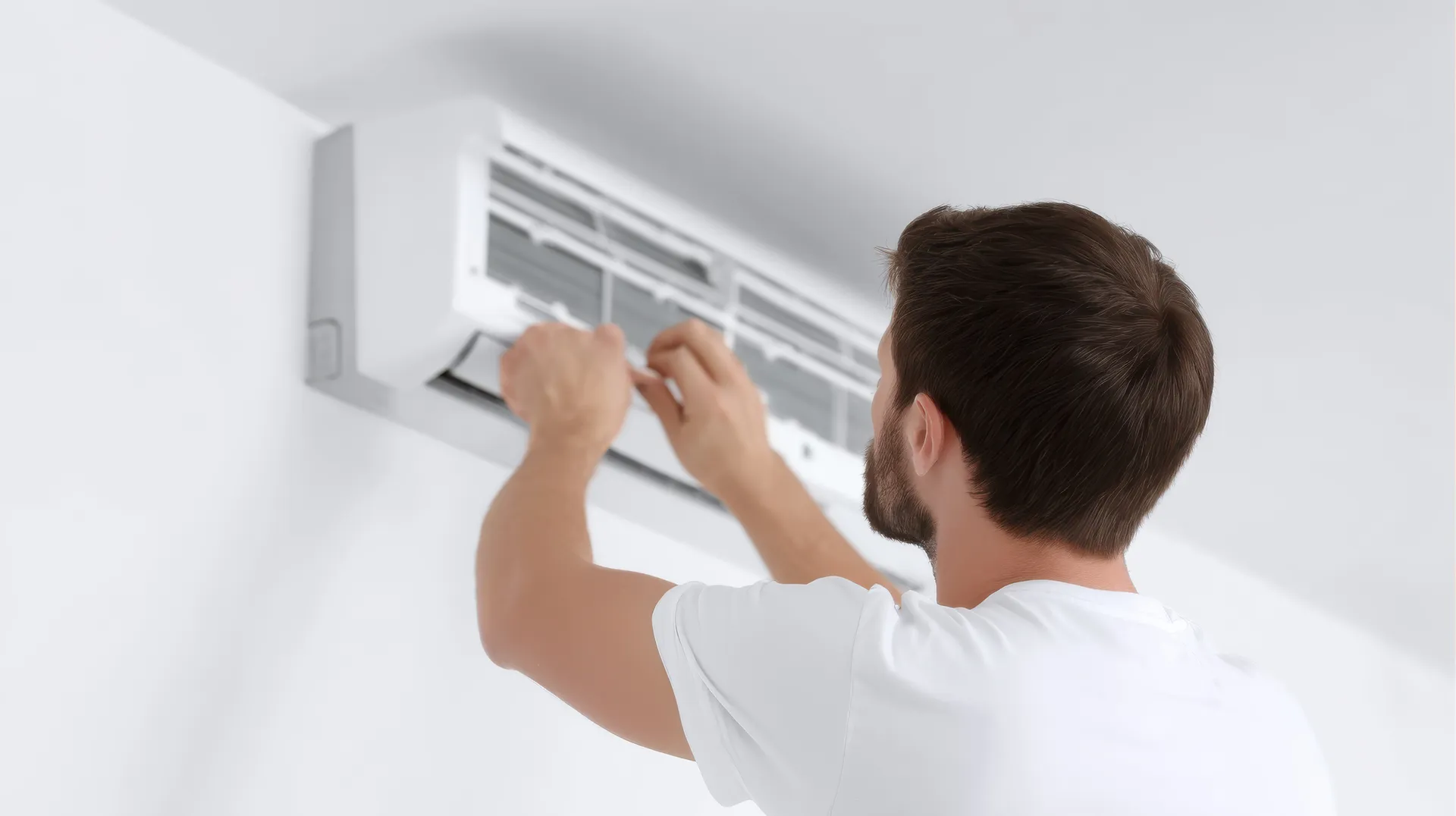
Clogged or dirty air filters are the most common cause of a furnace running but not heating. When airflow is blocked, the heat exchanger can overheat and shut off automatically, causing the blower to continue running while no warm air is distributed.
Actionable Tip: Replace your air filter every 1–3 months depending on usage and filter type. Homes with pets or heavy dust may require monthly changes.
2. Thermostat Problems
Your thermostat is the furnace’s “brain.” A faulty thermostat can prevent the furnace from producing heat even when it’s running. Common issues include:
Incorrect calibration
Dead batteries
Wiring issues in older units
Misconfigured programmable schedules
Homeowner Tip: Test your thermostat by setting it 5 degrees above the current room temperature. Replace batteries annually and check for error codes on digital models.
3. Pilot Light or Ignitor Failure
Gas furnaces rely on a pilot light or electronic ignitor to start heating. If these fail:
The furnace may run but not ignite gas.
The blower continues, circulating unheated air.
Safety Note: Never attempt to relight a pilot or repair an ignitor if you smell gas. Contact a licensed professional.
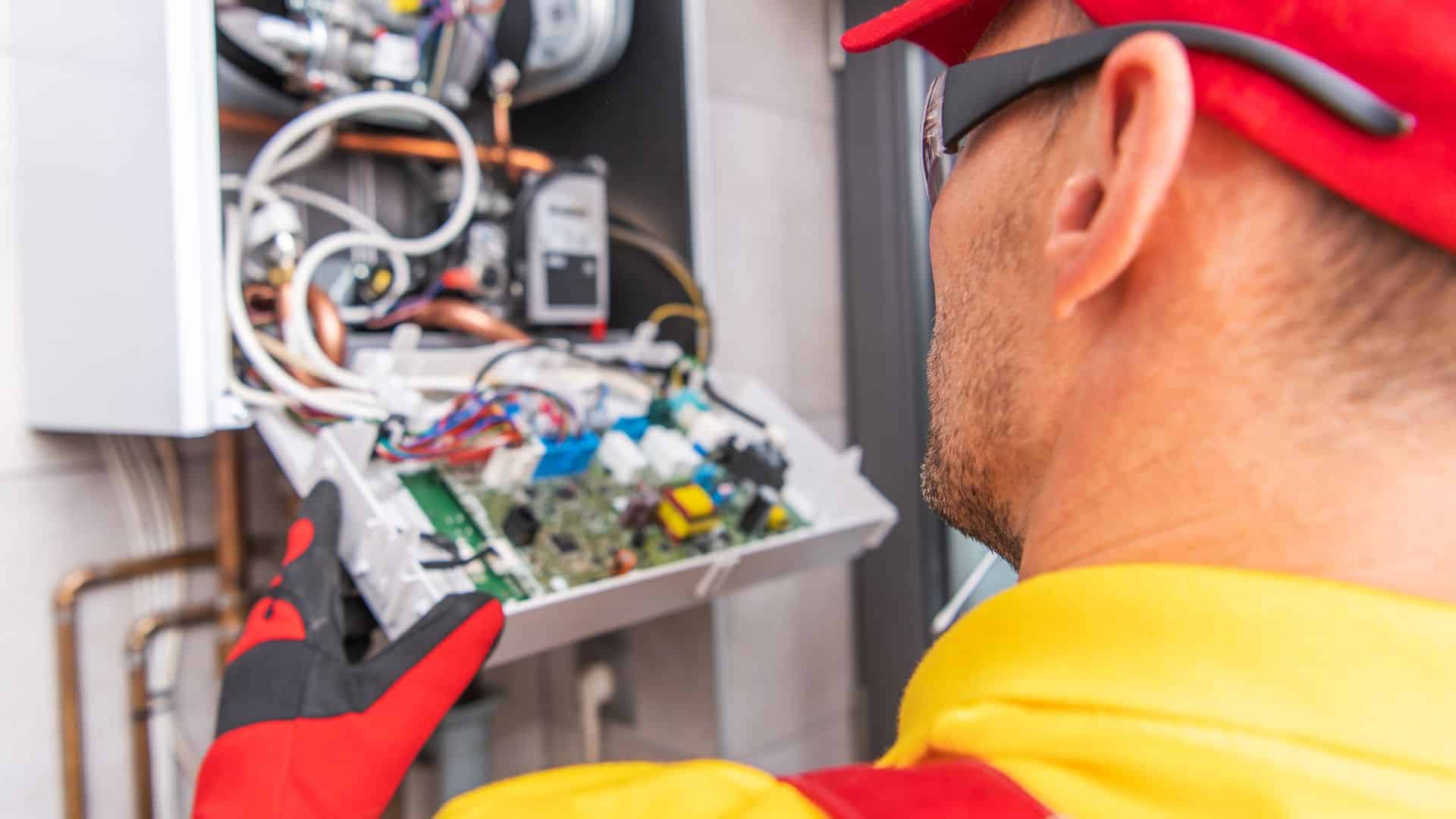
4. Flame Sensor Malfunction
The flame sensor ensures that gas is burning safely. A dirty or failing flame sensor can shut off the furnace mid-cycle:
Blower may continue running
Rooms remain cold
Repeated on/off cycling can stress other components
Tip: Flame sensors require professional cleaning during annual maintenance.
5. Gas Supply Issues
Low or interrupted gas supply prevents the furnace from generating heat. This may be caused by:
Closed or partially closed gas valves
Gas line obstructions
Municipal supply disruptions
Warning: Gas issues require licensed HVAC technicians. Never attempt DIY repairs.
6. Blower Fan or Duct Problems
Even if your furnace heats properly, blowers or ductwork issues can prevent heat from reaching your living spaces:
Blower motors can fail or lose efficiency
Leaky or disconnected ducts reduce airflow
Blocked vents create uneven heating
Preventive Tip: Have a professional inspect ductwork during annual tune-ups to maintain system efficiency.
What Happens If You Ignore a Furnace That Runs But Doesn’t Heat?
Ignoring a malfunctioning furnace can have significant consequences:
1. Higher Energy Bills
The system works harder, consuming more electricity or gas while providing little heat. This can increase energy costs by 10–30% per month in extreme cases.
2. Uneven Home Heating
Certain rooms may stay cold while others warm. Family comfort decreases, and condensation can build up in colder areas, potentially causing mold growth.
3. System Damage
Prolonged operation under strain may damage:
Heat exchangers
Blowers
Circuit boards
Ignition systems
Long-term Effect: Shortened lifespan of your furnace and costly repairs.
4. Safety Risks
Faulty ignition, gas supply, or flame sensors can create carbon monoxide hazards.
How to Troubleshoot a Furnace Safely
Homeowners can perform safe preliminary checks:
Verify thermostat settings and replace batteries.
Inspect and replace dirty air filters.
Check for visible pilot light or error codes.
Ensure vents are unobstructed.
Confirm circuit breakers for the furnace are on.
If any of the above checks fail or you are unsure, call a professional. Norse Home Solutions offers Residential Furnace Maintenance, check out our services.
When Should You Call a Professional?
Call Norse Home Solutions if:
Furnace runs but produces no heat after basic checks
You notice unusual smells, sounds, or frequent cycling
Carbon monoxide alarms trigger
You are unsure about gas or electrical issues
Preventive Maintenance Tips
Annual Professional Inspection – Detect small issues before they become expensive.
Replace Air Filters – 1–3 months for optimum airflow.
Inspect Ductwork – Seal leaks to ensure even heating.
Clean Blower & Fans – Prevent dust buildup and airflow restrictions.
Test Carbon Monoxide Detectors – Ensures household safety.
Seasonal Preparation – Tune-up in fall before winter to avoid breakdowns.
🔗 Learn about Norse Home Solutions HVAC preventive maintenance and repair services.
Frequently Asked Questions
Why does my furnace run but not heat the house?
A furnace can run without producing heat due to clogged air filters, thermostat issues, ignition or pilot light failures, dirty flame sensors, gas supply interruptions, or airflow problems within the duct system. While the blower may still operate, these issues prevent proper heat generation or distribution.
Can I fix a furnace that runs but doesn’t heat myself?
Homeowners can safely check basic items such as thermostat settings, air filters, circuit breakers, and blocked vents. However, problems involving gas supply, ignition systems, flame sensors, or internal electrical components should always be handled by a licensed HVAC professional to avoid safety risks.
How often should a residential furnace be inspected?
A residential furnace should be professionally inspected at least once per year, ideally before the heating season begins. Annual inspections help identify worn components, safety hazards, and efficiency losses before they lead to breakdowns during cold weather.
What happens if I ignore a furnace that runs but doesn’t heat?
Ignoring the issue can result in higher energy bills, uneven home temperatures, increased strain on furnace components, shortened system lifespan, and potential safety risks such as carbon monoxide exposure. Minor issues left unresolved often turn into costly emergency repairs.
Summary: Keep Your Home Comfortable and Safe
A furnace that runs but doesn’t heat properly is a warning sign. Understanding causes, effects, and solutions allows homeowners to avoid expensive repairs, reduce energy bills, and maintain consistent home comfort.
✅ Preventive care with Norse Home Solutions ensures your furnace is safe, efficient, and ready for winter.
Need Residential Help Preventing HVAC or Plumbing Emergencies?
Most home HVAC and plumbing emergencies don’t happen without warning — they build up over time. Norse Home Solutions helps homeowners in Woodbury, MN and surrounding cities prevent sudden system failures through coordinated HVAC, plumbing, and drain care. From furnace inspections and system safety checks to drain cleaning and plumbing evaluations, we help identify small problems early — before they turn into costly, cold-weather emergencies. Schedule a preventive home system check today and stay ahead of issues and breakdowns.
For nearby commercial properties, Norse Mechanical provides expert commercial HVAC and plumbing services, maintaining climate control and preventing costly mid-season failures.