Why is summer tough on HVAC systems in Minnesota?
Minnesota summers may be short, but heat and humidity can spike quickly. Hot, sticky days force your air conditioner to work overtime, putting stress on the compressor, coils, and electrical components. Without proper preparation, you may notice reduced cooling, increased energy bills, or breakdowns — exactly what no homeowner wants when temperatures rise.
What are the most common summer hvac problems in minnesota?
Before you can prevent issues, you must know what to watch for. Minnesota’s climate creates specific stressors on HVAC units:
1. Poor Cooling Performance
Reduced airflow and inconsistent cooling often stem from dirty filters or blocked vents. Cleaning these improves comfort instantly.
2. High Indoor Humidity
Despite cooling, high humidity makes homes feel warmer and forces the HVAC system to work harder to remove moisture.
3. Refrigerant Leaks and Low Levels
Low refrigerant reduces cooling capacity and can damage compressors when ignored.
4. Clogged Condensate Drain Lines
Blockages here can lead to water damage, mold, and system shutdowns.
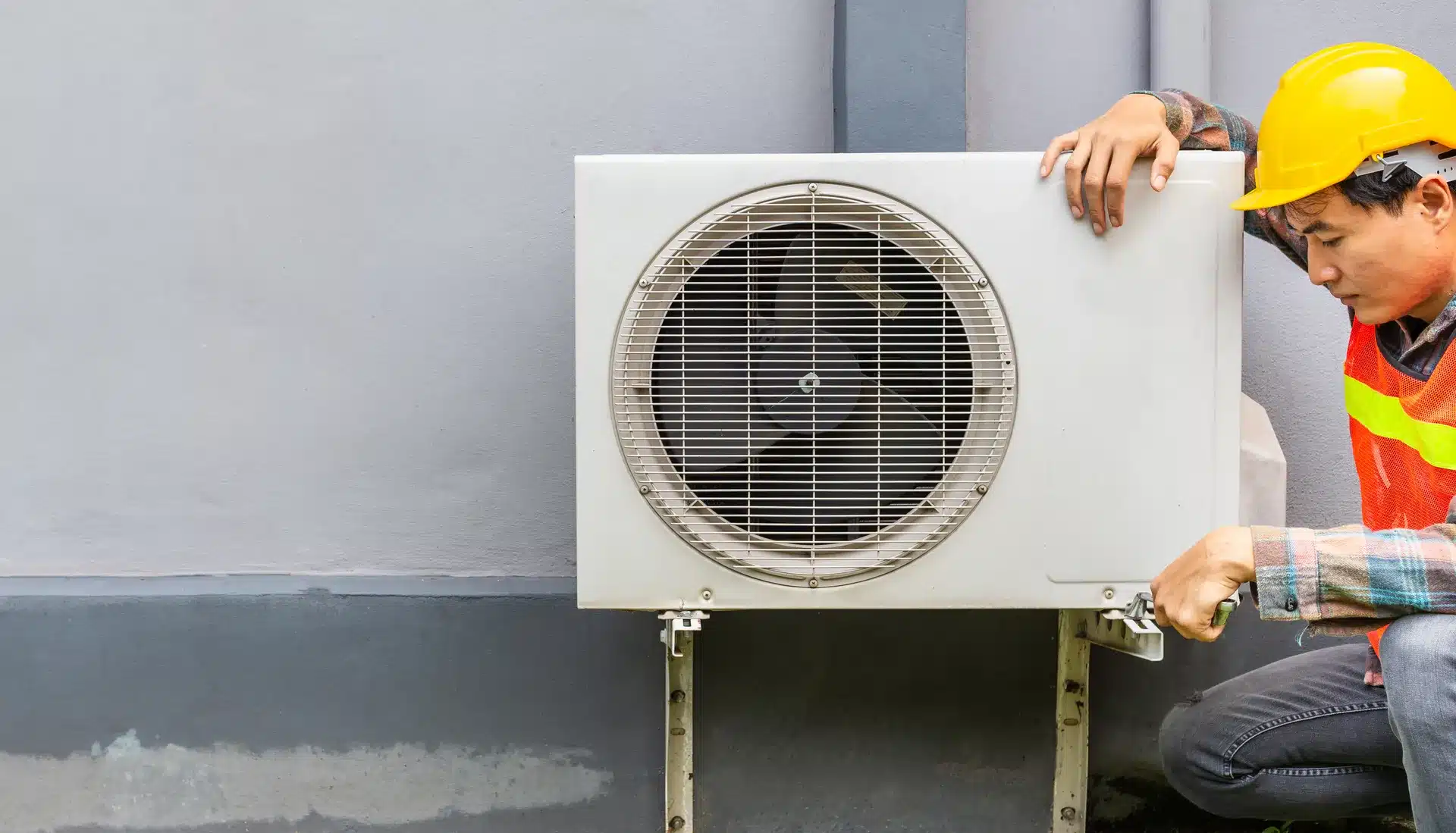
5. Outdoor Unit Obstructions
Grass clippings, debris, and overgrown plants can hinder airflow and reduce efficiency.
Reduced airflow and inconsistent cooling often stem from dirty filters or blocked vents. Cleaning these improves comfort instantly.
2. High Indoor Humidity
Despite cooling, high humidity makes homes feel warmer and forces the HVAC system to work harder to remove moisture.
3. Refrigerant Leaks and Low Levels
Low refrigerant reduces cooling capacity and can damage compressors when ignored.
4. Clogged Condensate Drain Lines
Blockages here can lead to water damage, mold, and system shutdowns.
5. Outdoor Unit Obstructions
Grass clippings, debris, and overgrown plants can hinder airflow and reduce efficiency.
How often should you maintain your hvac for summer?
A proactive schedule removes guesswork and prevents peak-season breakdowns.
🗓 Monthly (DIY) Checks
🗓 Monthly (DIY) Checks
- Replace or clean air filters
- Inspect vents and registers for blockages
- Check thermostat settings for accuracy
- Clear debris around the outdoor condenser unit
📅 Seasonal (Professional) Tune-Ups
Schedule a complete inspection before heavy summer use. A certified technician will:
Schedule a complete inspection before heavy summer use. A certified technician will:
- Clean coils and condensate lines
- Check refrigerant levels
- Test electrical connections
- Inspect compressors and fans
👉 Need expert help? See Norse Home Solutions’ summer HVAC maintenance services.
What are the best hvac maintenance tips for minnesota summers?
This section covers actionable steps you can take right now.
- ✅ Replace or Clean Air Filters Every 1–2 Months: Clogged filters restrict airflow, making your system work harder and shortening its lifespan. Check your filter monthly and change it if it looks dirty.
- ✅ Keep Outdoor Units Clean and Clear: Ensure at least two feet of clearance around your outdoor condenser. Trim plants and remove leaves or grass clippings that block airflow and reduce efficiency.
- ✅ Optimize Thermostat Settings: Set your thermostat to around 78°F when home and higher when you're away. Programmable or smart thermostats save money and reduce cooling demand.
- ✅ Inspect Condensate Drains and Coils: Clogged drain lines or dirty coils can cause water damage and humidity issues. A quick inspection helps avoid mid-season failures.
- ✅ Manage Indoor Humidity: If your home feels sticky despite cool air, consider a dehumidifier or using your HVAC’s dehumidify setting. This improves comfort and reduces system run times.
When should you call a professional hvac technician?
While many maintenance tasks are homeowner-friendly, some need professional expertise:
- ✅ Strange noises or rattling when the system runs
- ✅ Weak or no cooling despite normal thermostat settings
- ✅ Frequent cycling on and off
- ✅ Leaking refrigerant or ice on evaporator coils
- ✅ Electrical issues or error codes
A licensed HVAC technician can quickly diagnose and fix these before they escalate into costly repairs.
How summer hvac maintenance saves you money
Preventative care does more than keep your home cool:
- 👍 Higher Energy Efficiency: Clean filters + clear airflow = less workload + lower bills.
- 👍 Fewer Emergency Repairs: Most costly problems start small — catching them early saves dollars and stress.
- 👍 Longer Equipment Lifespan; Well-maintained systems last significantly longer — keeping replacement costs down.
Well-maintained systems last significantly longer — keeping replacement costs down.
Common myths about summer hvac care
Myth #1: AC maintenance is only for professionals.
Reality: Homeowners can do simple tasks like filter changes and thermostat checks — but pros catch hidden issues.
Reality: Homeowners can do simple tasks like filter changes and thermostat checks — but pros catch hidden issues.
Myth #2: Closed vents save energy.
Reality: Blocking vents decreases airflow and strains your system, often raising energy costs.
Reality: Blocking vents decreases airflow and strains your system, often raising energy costs.
Myth #3: Bigger units cool faster.
Reality: Oversized systems cool unevenly and waste energy.
Reality: Oversized systems cool unevenly and waste energy.
Summer hvac problems & prevention FAQs
❓ How often should I replace my AC filter in Minnesota summers?
Filter replacement every 1–2 months is ideal during heavy use. Dirty filters restrict airflow, increase energy consumption, and can even lead to system overheating if ignored.
❓ What temperature should my thermostat be set in summer?
Around 78°F when occupied and higher when away balances comfort and efficiency. This setting reduces strain on your HVAC system while keeping indoor temperatures manageable during peak heat.
❓ Why is my AC running but not cooling properly?
This issue is commonly caused by dirty filters, low refrigerant levels, or blocked condenser units. It may also indicate compressor or airflow problems that require professional inspection.
❓ How can I reduce humidity in my home during summer?
Use a dehumidifier, ensure your HVAC system is properly maintained, and check that your condensate drain is clear. Managing humidity helps your system cool more efficiently and improves indoor comfort.
❓ Is it normal for my HVAC system to run constantly in hot weather?
During extreme heat, longer run times are normal. However, if your system runs continuously without reaching the desired temperature, it may signal inefficiency, undersizing, or maintenance issues.
❓ When should I schedule professional HVAC maintenance?
Ideally, schedule maintenance once before summer begins. Early inspections help identify hidden problems, improve efficiency, and prevent unexpected breakdowns during peak usage.